
Kids Airway Dentistry for Better Breathing, Sleep, and Growth
If your child snores, breathes through their mouth, or wakes up tired, your instincts are worth listening to. Dr. Jeff Buxton and our Draper team look at how your child breathes, sleeps, and grows, then help guide that growth while it's still easier.
★★★★★4.9 on Google · 270+ Toothpillow reviews · Dr. Jeff Buxton, DMD
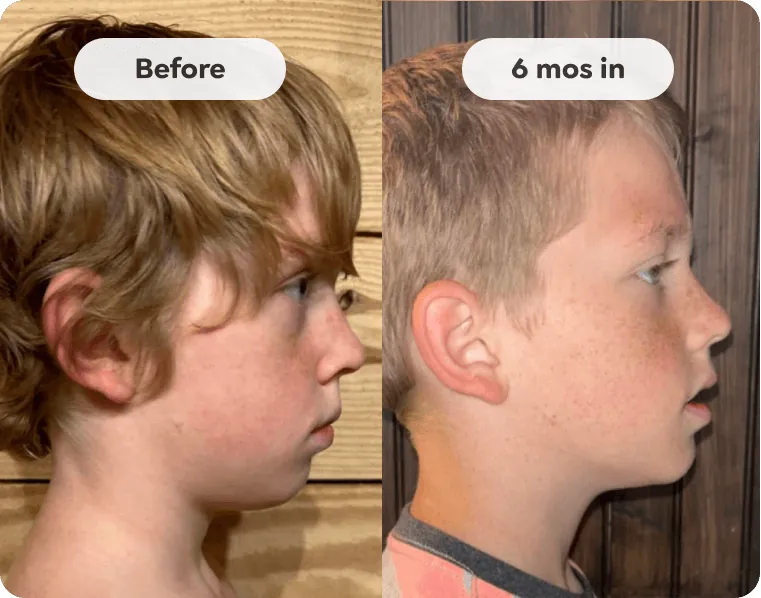
Kids aren't supposed to snore. Your gut is right to ask why.
You've heard it from the hallway: the snoring, the heavy breathing, the grinding. Maybe you've been told your child will grow out of it. Sometimes that's true. Often, though, the real story starts with how the jaws and airway are growing.
Your child's upper jaw also forms the floor of the nose. When it grows narrow, there can be less room for the tongue to rest, less room for air to move through the nose, and less room for adult teeth to come in. Mouth breathing and low tongue posture can keep that pattern going. That's why we look past the teeth to the airway underneath.
The hopeful part: children's jaws are still growing, and growth can be guided. Earlier is easier.
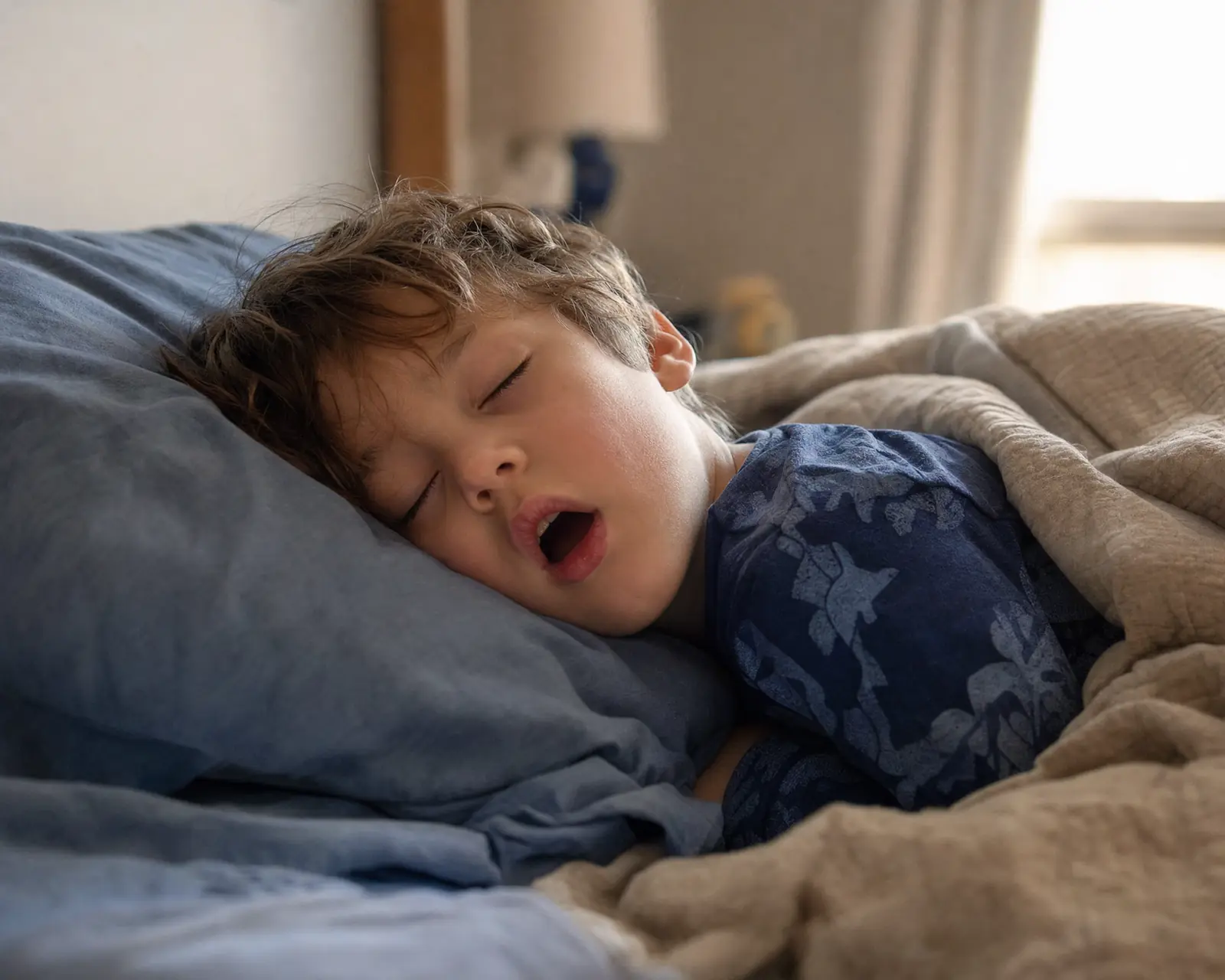
Signs an airway evaluation may help your child
None of these mean something is wrong on their own. Together, they're worth a conversation.
Snoring or noisy breathing
Regular snoring in kids is worth checking, even when it sounds mild. It can be a sign that air isn't moving freely during sleep.
Mouth breathing
A mouth that hangs open during the day or at night may point to a narrow airway, congestion, or low tongue posture.
Grinding at night
Grinding sometimes shows up alongside restless or disrupted breathing during sleep, so we look at both together.
Bedwetting past age six
Could disrupted sleep be playing a role? For some children, bedwetting and sleep-disordered breathing show up side by side.
Restless sleep, tired mornings
Tossing, unusual sleep positions, dark circles, or waking up cranky may mean sleep isn't as restful as it looks.
Trouble focusing
Could your child's sleep be affecting focus? Poor sleep can look a lot like attention problems, so it's worth ruling out.
It all starts with an airway consultation
Before anyone talks treatment, we get the full picture. Your consultation with Dr. Buxton includes:
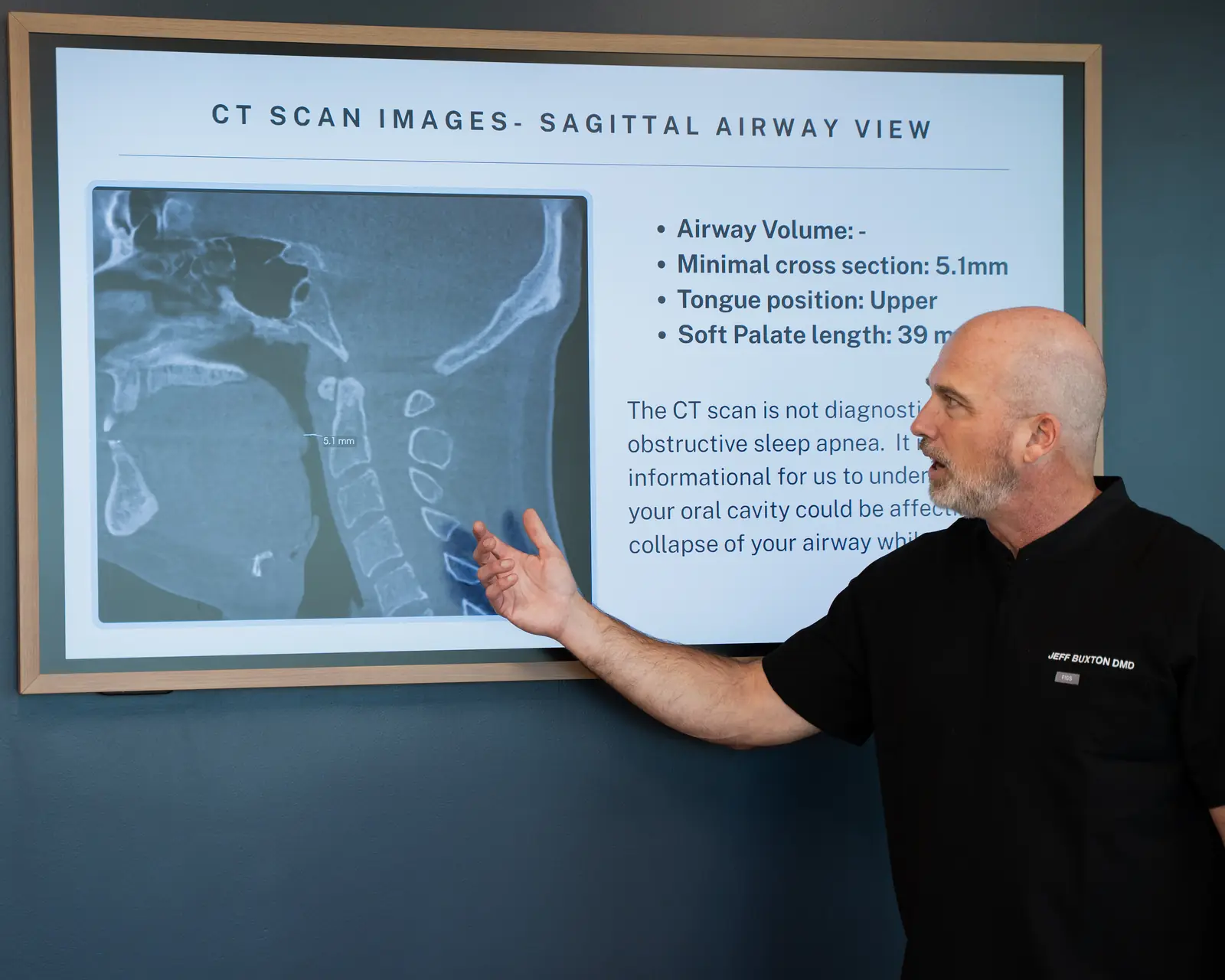
- A 3D CBCT scan of the airway, jaws, and joints
- A digital intraoral scan (no goopy molds)
- Photos and a hands-on exam of breathing, tongue, and bite
- A plain-language walkthrough of what we see and what your options are
Airway consultation: {$350 for kids and adults}
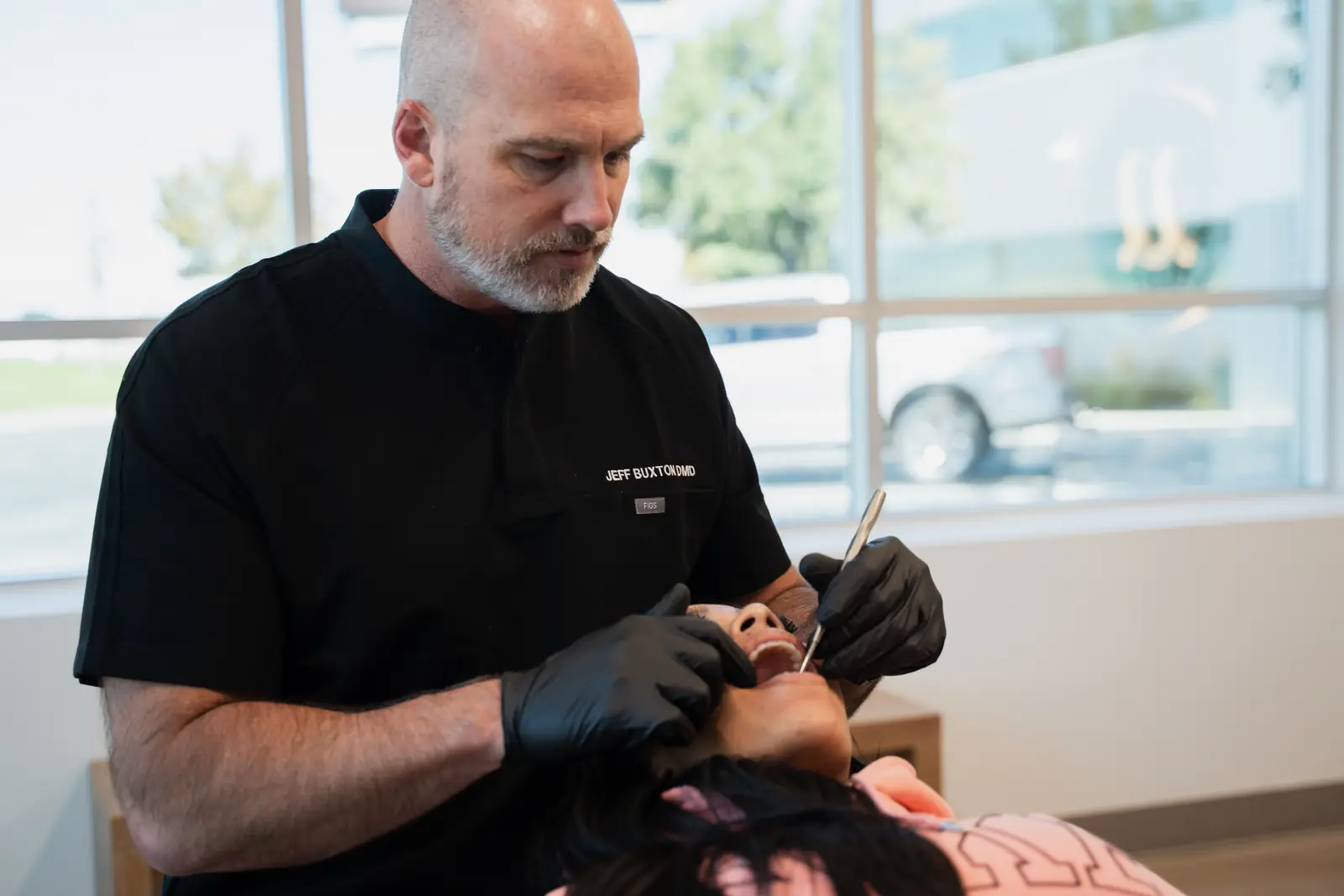
An airway consultation that shows you the whole picture
Your child's first visit is an airway consultation, about an hour with Dr. Buxton and our team. Most kids start without a sleep test. Instead, we gather the records that show how your child is growing:
- 3D CBCT scan of the jaws and airway
- Digital intraoral scan of the teeth, with no goopy molds
- Photos of the face and bite
- Exam of tongue posture, tongue mobility, lips, and breathing habits
- Your observations from home about sleep, behavior, and energy
Then Dr. Buxton walks you through what he sees on the screen, in plain words. You leave knowing whether your child's growth looks on track or whether guided growth may help.
How kids' airway care usually unfolds
Every plan is built around your child's age and growth, so not every child needs every step.
Start early with guided growth
For young children, care may begin with the Toothpillow appliance, a soft removable appliance worn at night to encourage healthy tongue posture and jaw growth.
Expand when more room is needed
If the upper jaw is narrow, palate expanders can widen it to make room for teeth and for air through the nose. Older kids may need a fixed expander.
Train the muscles
Myofunctional therapy teaches the tongue, lips, and face to support nasal breathing. If a tongue-tie is holding the tongue down, a laser frenectomy may be part of the plan.
Align with the airway in mind
Once there's space, AIRTHO clear aligners for kids and teens can guide teeth into place while preserving room for the tongue and airflow.
One team for your child's whole airway story, right here in Draper
Most families come to us after hearing "wait and see." We respect the pediatricians and dentists who care for your child. We simply look through a different lens: how your child breathes, sleeps, and grows, and what may be driving the symptoms you see at home.
Toothpillow Breathing & Sleep Center is the in-person home of the Toothpillow brand. Early guided growth with the Toothpillow appliance, palate expanders, myofunctional therapy, laser tongue-tie release, and clear aligners for kids and teens all happen under one roof, with dentists, therapists, and coordinators who work as one team. Dr. Buxton is a Diplomate, American Sleep & Breathing Academy, and a Breathe Institute Ambassador.
One more thing we hear often: while learning about their child's airway, many parents start to recognize their own snoring or exhaustion. If that sounds familiar, we care for adults too. Learn about sleep apnea treatment for adults.

Hear it from Dr. Buxton
Short videos from Dr. Jeff Buxton. Educational only; every patient is different.
Why are the teeth crowded? The teeth are crowded because there's not enough room in the jaws for the teeth to come in. Instead of wondering why the teeth are crooked and thinking, how can we go upstream and maybe avoid these crooked teeth? We've just accepted, hey, we'll just straighten the crooked teeth out when all the baby teeth are gone.
And you're left with straight teeth, but those teeth have been put in an unstable position. That's the reason why a retainer is needed. If you don't wear the retainer, the teeth are going to try to move back into a more stable position in the bone. Think of it this way. You've got 32 chairs and you have a room and that room is your mouth and you need to fit all 32 chairs in that room.
Let's make sure that we build a big enough room for all of the teeth. And how can we build a big enough room? Well, as dental professionals, we can do expansion. As we make the room bigger, now the teeth are going to come in where they need to be.
I love when old photos of my kids pop up on my phone. One thing that I look at and I like to look at is their growth and development from those younger ages. So why is that important to airway growth and development? When you look at your child's face from where they were three years ago to now, some of the things that you could look for that could change, that could maybe say your child is moving in the wrong direction as far as growth and development is concerned, is going to be open mouth posture, a longer face, head forward posture would indicate having trouble breathing.
Again, dark circles under their eyes. These are all things that show up and would indicate to us that maybe our child's growth and development is not where it needs to be. And we have this window of time where we can affect so much change. If you're seeing some of those signs, that's going to indicate that maybe we need to redirect some of that growth and it can be done. Think about going in for an airway assessment and getting evaluated by a professional.
Large tonsils or adenoids is a response to some trigger. The question is what causes it? And that's a big debate. Poor air quality, dust mite allergy in the home, mold, recurrent viral infections can cause that. But also when it comes to an airway dentist and what we're looking at. We know that mouth breathing contributes to the inflammation of the tonsils and adenoids as well.
So the way to look at this is our airway is like a pipe and we want that pipe to be free of any blockage. If we're not getting enough oxygen, it affects our heart. It affects anxiety. It affects numerous things, right? And where we see this a lot is in kids, right? Adults don't have the tonsils and adenoid issues or the hypertrophy that you see in kids.
It's important that they be evaluated. There are studies that are showing that when we expand, we actually see a reduction in the size of the tonsils and adenoids. Expansion plays a big part and really airway dentists and ENTs should be collaborating and working together better to provide optimal care for our kids.
Has your child's teacher raised concerns about their behavior or their inability to focus while at school? When I was a child, I had good grades, but my teachers noticed that I was distracted and that I was a behavior problem. So I was diagnosed with ADD and was put on a medication. As I know more today, I look back at my childhood and realize that that issue with ADD was very likely a sleep problem.
And that was confirmed for me as an adult when I was sleep tested and was diagnosed with severe obstructive sleep apnea. In fact, the research shows that up to 25 percent of kids who are diagnosed with add actually have a sleep quality problem that can show up as either sleep-disordered breathing or in severe cases obstructive sleep apnea. Next time that you're at a parent-teacher conference or if you've seen that report from your child's teacher maybe dig a little bit deeper and take a look at their sleep quality.
Did you know that there are certain tools when implemented early in a child's development can have huge impacts not only on their health, but on the growth and development of their face, which affects their aesthetics and facial beauty. When I say the right tools, I'm not talking about a pacifier, which can have negative effects on growth and development.
In fact, there are numerous tools available to us today. And one of those is the products from ezpz, which are terrific at helping children grow and develop properly. Another one is Myo Munchee, which works extremely well for young kids also. So let's talk about what these right tools are actually doing. What they're doing is they are redirecting the muscular growth and development.
So when the muscles in the tongue are in the right position, we're going to get the proper growth that we want to see for kids to become healthy adults. You may even see teenagers or adults today doing something called mewing, where they're trying to define their jaws and improve some of those aesthetic qualities of the face.
But if we get started early with kids utilizing these tools, we can do that naturally because the face will grow the way it's supposed to.
Watch: signs worth a closer look
Videos from the Toothpillow patient education series. Educational only; every child is different.
Videos are from the Toothpillow brand library.
What patients and families say
Real Google reviews from our Draper office, Dr. Buxton's patients, and Toothpillow families. Individual experiences; every airway is different.
"Love this place so much! They Have helped me with my kids but also myself. AMAZING!!!"
"We are so grateful we heard about Toothpillow on social media & got both our kids started with using it! It’s only been 2 weeks and the drastic difference it’s made for our 4 year old daughter brings me to tears. ..."
"Dr. Buxton really cares about his patients. I couldn't be happier with the results! ... Not to mention the new office and decor are absolutely stunning. Everyone in the office is so friendly!"
Frequently asked questions
At what age should my child see an airway dentist?
We see children as young as age three. Jaws grow quickly in the early years, so earlier is often easier, but older kids and teens can benefit too. If you're noticing snoring, mouth breathing, or restless sleep, that's a good time to book an airway consultation.
Can kids have sleep apnea?
Yes, children can have obstructive sleep apnea. It's a medical diagnosis made by a physician with proper sleep testing, so we never diagnose it from a website or a single symptom. What we can do is evaluate your child's jaws and airway, and if a sleep evaluation makes sense, help you coordinate it with your child's pediatrician or another appropriate provider.
Is mouth breathing in children a big deal?
Occasional mouth breathing during a cold is common. Mouth breathing most of the time, day or night, is worth a closer look. It can go along with a narrow airway, low tongue posture, or congestion, and it may influence how the jaws grow. An exam can help sort out what's going on.
Will my child grow out of snoring?
Some children do. Snoring in kids is still always worth checking, because it can signal that breathing during sleep isn't as easy as it should be. A consultation gives you answers either way, including reassurance if your child's growth looks on track.
Do you replace our pediatrician or family dentist?
No. We work alongside your child's pediatrician, family dentist, and other providers such as ENTs and myofunctional therapists. We focus on the airway and jaw growth piece and coordinate with your child's other providers as needed.
Does my child need a sleep test first?
Most kids start without one. The airway consultation (3D CBCT scan, digital scans, photos, and exam) usually tells us what we need to know to recommend next steps. If a medical sleep evaluation is a good idea, we'll help you coordinate it.
Treatments that often go together

The Toothpillow Appliance
A soft, removable nighttime appliance designed to guide healthy jaw growth and nasal breathing, starting as young as age three.
Learn more →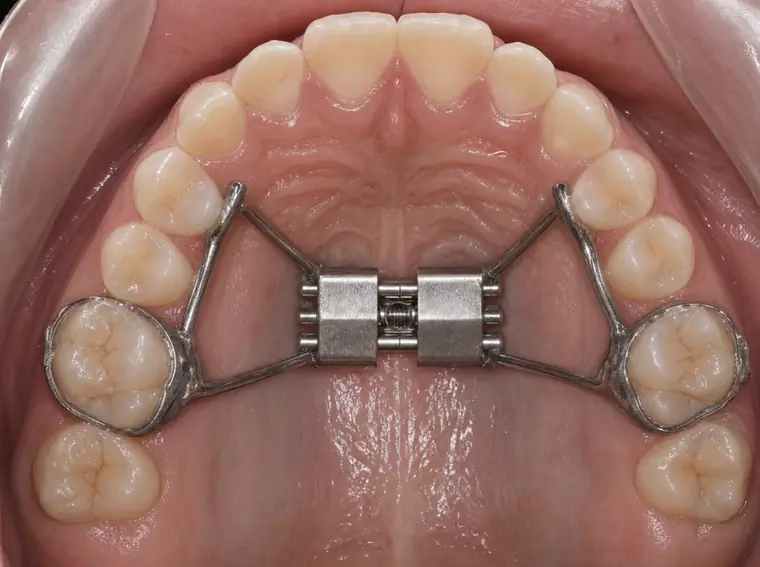
Palate Expanders
Removable and fixed expanders, including RPE and Hyrax, that widen a narrow upper jaw to make room for teeth and easier nasal breathing.
Learn more →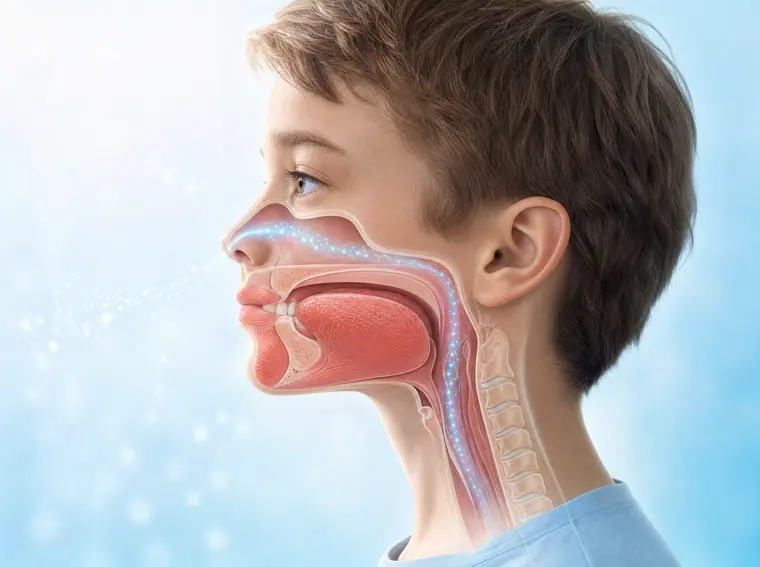
Myofunctional Therapy
Exercises and trainers that retrain the tongue, lips, and breathing muscles to support nasal breathing, healthy swallowing, and lasting results.
Learn more →Schedule your child's airway consultation
Book online or call. Consultations for kids, teens, and adults at our Draper office.
14203 Minuteman Drive #101
Draper, UT 84020
Just off I-15, minutes from IKEA
Monday to Friday, 9 AM to 5 PM
"Great staff. Nice office. Quite relazing visits."
Request Your Airway Consultation
Tell us a little about what's going on. Our team will call you to find a time that works. No pressure, just answers.