
Laser tongue-tie release for kids, teens, and adults
A tight tongue can affect speech, eating, tongue posture, and even how you breathe at night. Dr. Jeff Buxton uses a soft-tissue laser for a precise release, then pairs it with myofunctional therapy so the tongue learns to use its new freedom. We see children age 3 and up, teens, and adults.
★★★★★4.9 on Google · 270+ Toothpillow reviews · Dr. Jeff Buxton, DMD
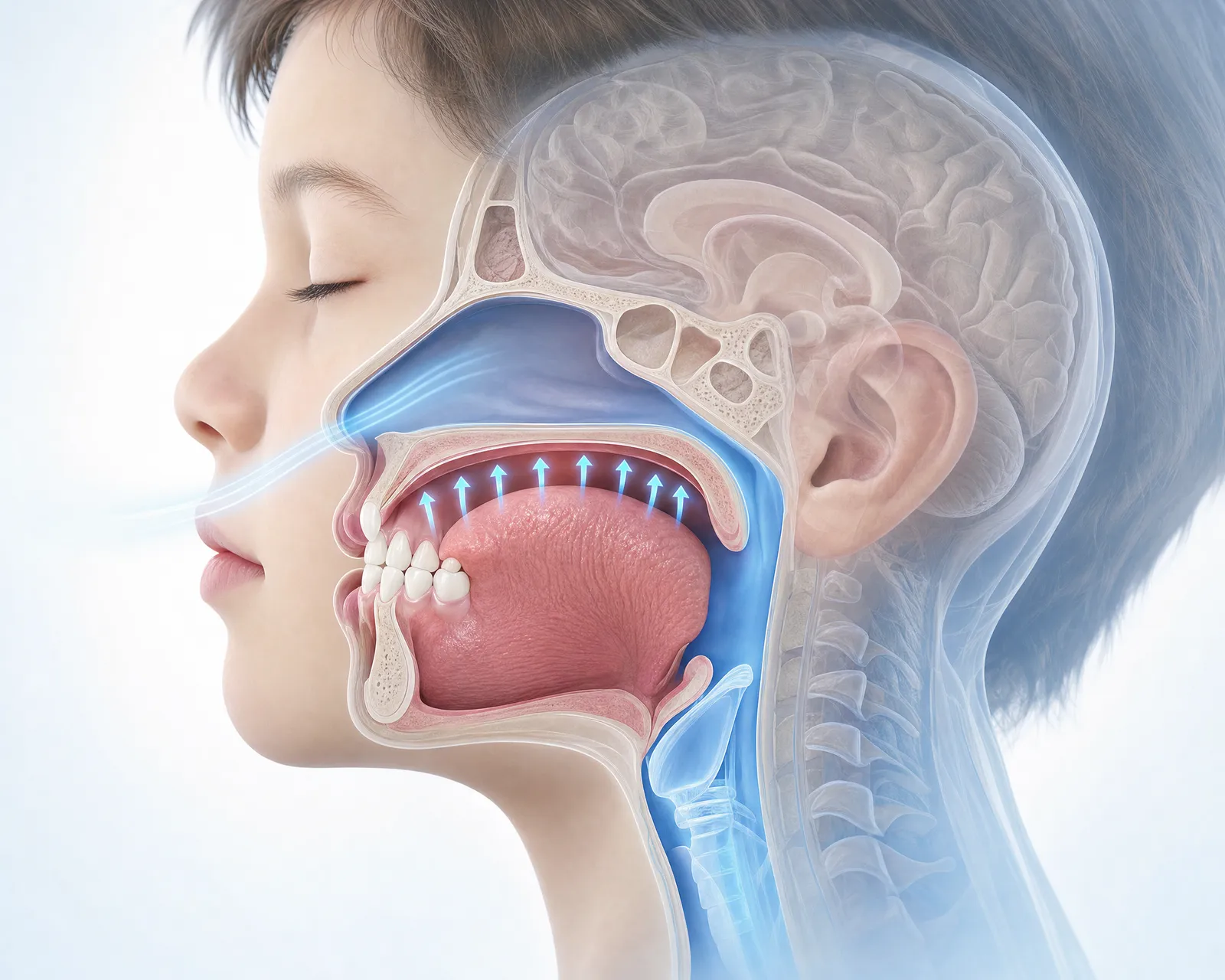
The tongue helps shape the airway
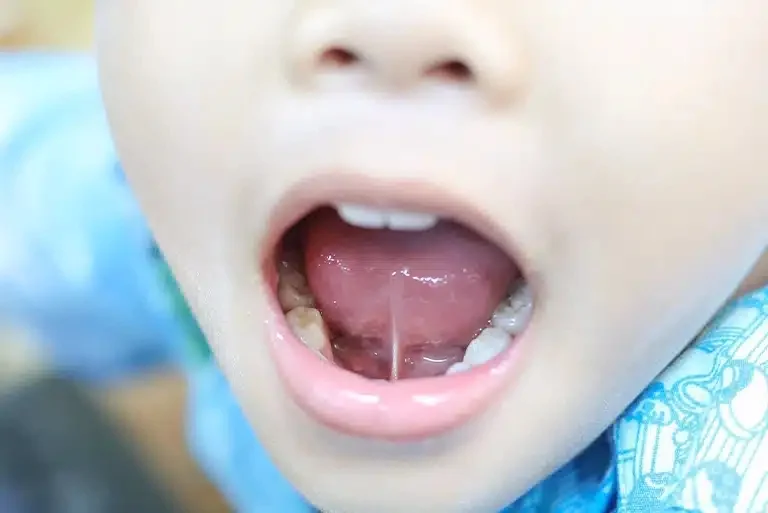
Under the tongue is a small band of tissue called the frenulum. When that band is short or tight (a tongue tie), the tongue may not lift, extend, or rest where it should. Sometimes the upper lip is tied down in a similar way.
A resting tongue belongs up against the roof of the mouth. That gentle, constant pressure helps guide how the upper jaw grows, and the roof of the mouth is also the floor of the nose. When the tongue sits low, many families notice mouth breathing, messy eating, or speech sounds that are hard to master. Adults often describe jaw tension, clenching, or restless sleep they never connected to the tongue.
- For kids (age 3 and up): tongue posture, speech, eating, and nasal breathing
- For teens: tongue space, breathing, and orthodontic stability
- For adults: tongue posture, jaw tension, and sleep quality
Could a tongue tie be part of the story?
None of these signs means your child (or you) has a tongue tie. They are reasons an evaluation may help. We evaluate and treat tongue ties in children age 3 and older, teens, and adults.
Speech that stays stuck
Certain sounds that stay hard to make even with practice, often the ones that need the tongue tip to lift.
Mouth breathing
Lips apart during the day, open-mouth sleep, or snoring. A low-resting tongue and mouth breathing often travel together.
Picky or messy eating
Gagging on textures, slow chewing, or food that tends to pocket in the cheeks.
A tongue that can't reach the palate
Trouble lifting the tongue to the roof of the mouth, licking the lips all the way around, or sticking the tongue out past the lower lip.
A history of feeding trouble
Older kids who struggled to nurse or bottle-feed as babies sometimes still have a restricted tongue that was never released.
Adult jaw and neck tension
Clenching, a tight jaw or neck, headaches, or trouble keeping the tongue up on the roof of the mouth.
It all starts with an airway consultation
Before anyone talks treatment, we get the full picture. Your consultation with Dr. Buxton includes:
- A 3D CBCT scan of the airway, jaws, and joints
- A digital intraoral scan (no goopy molds)
- Photos and a hands-on exam of breathing, tongue, and bite
- A plain-language walkthrough of what we see and what your options are
Airway consultation: {$350 for kids and adults}
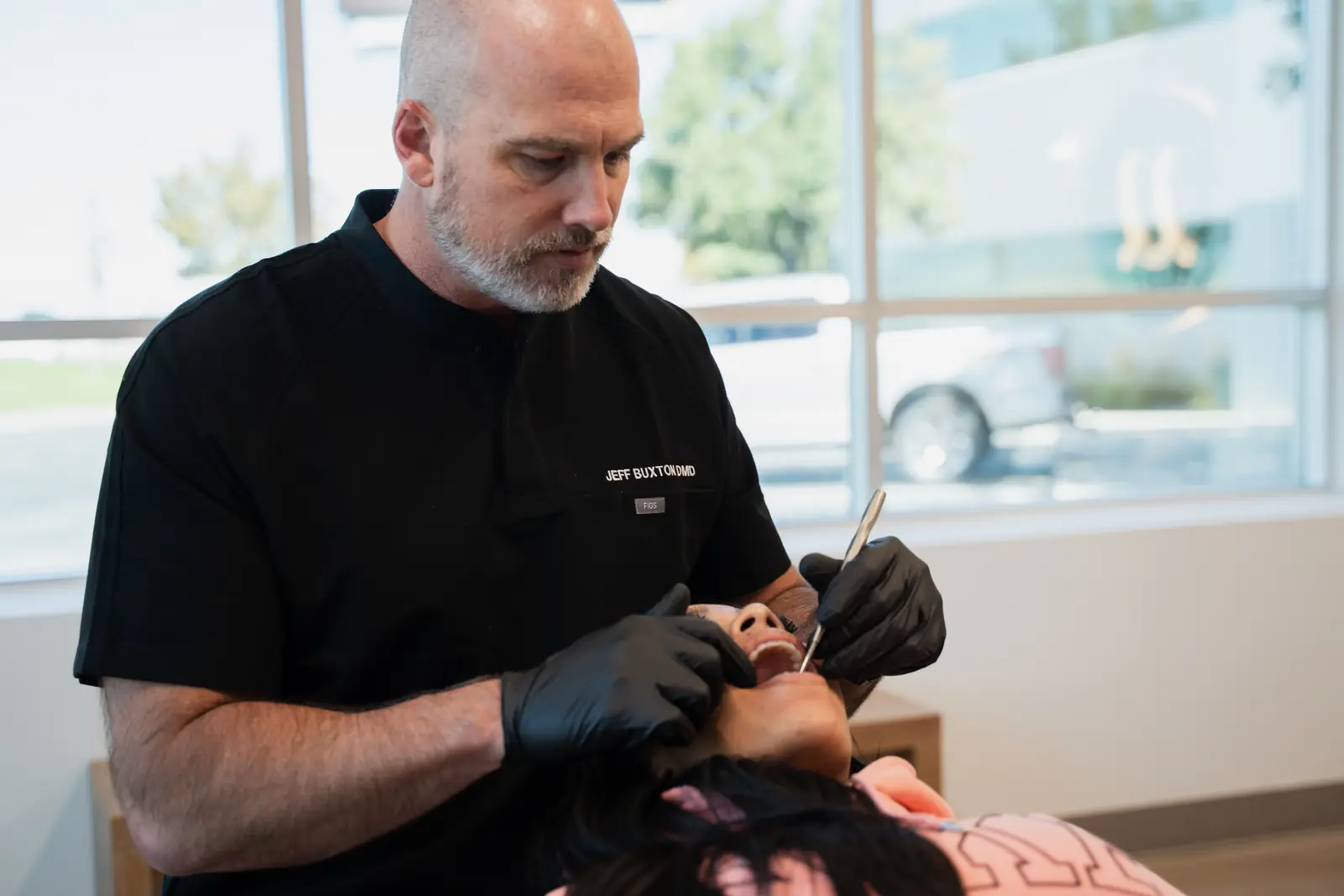
We focus on how the tongue actually moves
A tie can look mild and still restrict movement, or look obvious and cause few problems. That is why Dr. Buxton focuses on what the tongue can actually do: how far it lifts, how it moves when swallowing, and where it rests.
For kids, teens, and adults, the visit is part of a full airway consultation, which can include a 3D CBCT airway scan, a digital intraoral scan (no goopy molds), and photos, so we can see how the tongue, jaw growth, and breathing fit together. Notes from your child's speech therapist, pediatrician, or dentist are always welcome.
We do not treat infants. If your baby may have a tongue tie, your pediatrician or lactation consultant can point you to a provider who focuses on infant releases. Once your child is 3, we're happy to see them.
If a release is not the right step yet, we will tell you, and we will explain why.
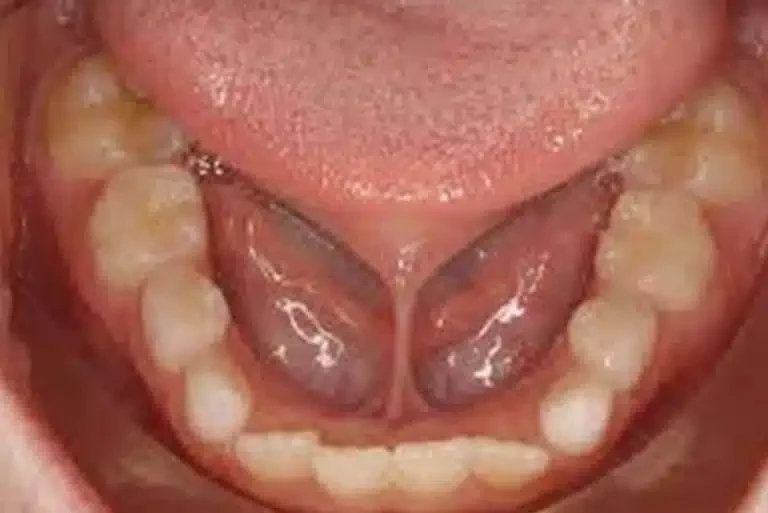
Your path from evaluation to a freer tongue
Every release at our Draper office is paired with myofunctional therapy. The laser creates room to move; the exercises teach the tongue how to use it.
Airway consultation
We check tongue and lip mobility, talk through speech, eating, or sleep concerns, and decide together whether a release makes sense.
Prepare with myofunctional therapy
We teach and prescribe myofunctional therapy as part of the plan, so the tongue is ready to use its new range. For kids, we make the exercises simple and playful.
Laser frenectomy
Dr. Buxton uses a soft-tissue laser to release the restricted tissue. A parent can stay in the room for every child's procedure.
Aftercare and follow-up
Simple exercises during healing help the tongue get used to its new range. We see you for follow-up visits as needed to check healing and progress.
Why the laser plus therapy combination matters
A release on its own changes the tissue. It does not automatically change habits a tongue has practiced for months or years. That is why we pair every frenectomy with myofunctional therapy, which retrains the tongue, lips, and breathing muscles toward nasal breathing and a healthy resting posture.
For many kids, a release is one piece of a bigger plan. A tongue that can finally rest on the palate may help support the growth guidance from our Toothpillow appliance or palate expanders. For adults, a release can be part of a broader airway plan that addresses jaw position and sleep.
- Soft-tissue laser release by Dr. Jeff Buxton
- Myofunctional therapy as part of every plan
- Speech therapists, pediatricians, and dentists welcome to coordinate with us
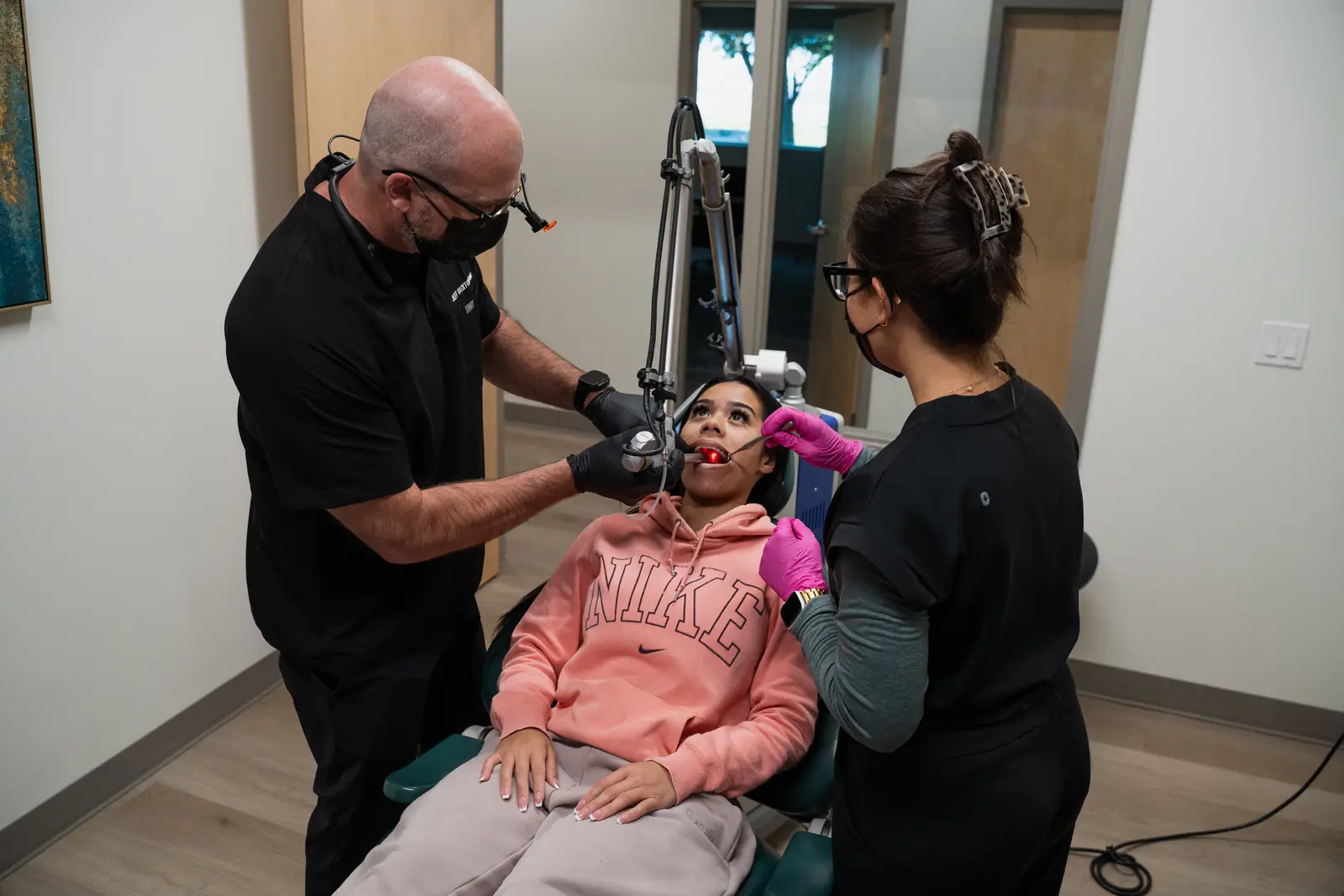
Hear it from Dr. Buxton
Short videos from Dr. Jeff Buxton. Educational only; every patient is different.
Stop scrolling. I got a quick question for you. Where is your tongue rested right now? If your tongue is sitting low and not up at the roof of your mouth, we may have a problem. Let me break this down for you. When the tongue is sitting low, it leads to open mouth posture.
It also restricts our airway, which makes it harder for us to breathe. And if it's harder for us to breathe, we're going to open our mouth and do more mouth breathing. The other negative effect is we are bypassing the filtration system and the air that we're breathing in is unfiltered and is full of toxins and other things, which are going to make us sick.
Let's contrast that with having the tongue up high and to the roof of the mouth like it should be. When the tongue is to the roof of the mouth, our airway is more open. We're able to get more oxygen in and breathe better. We're also going to be breathing through our nose. which allows us to filter the air as it comes in, which leads to a healthier airway and a healthier you. So let's get that tongue up to the roof of our mouth.
Watch: signs a tongue tie may be involved
Videos from the Toothpillow patient education series. Educational only; every child is different.
Videos are from the Toothpillow brand library.
What patients and families say
Real Google reviews from our Draper office, Dr. Buxton's patients, and Toothpillow families. Individual experiences; every airway is different.
"Dr. Buxton really cares about his patients. I couldn't be happier with the results! ... Not to mention the new office and decor are absolutely stunning. Everyone in the office is so friendly!"
"You will love working with the practioner and staff. They are knowledgeable and friendly. It has been a great experience every appointment. It’s a nice plus that the office is also a beautiful place."
"Great staff. Nice office. Quite relazing visits."
Frequently asked questions
What is a laser frenectomy?
A frenectomy releases a short or tight band of tissue under the tongue (or under the lip) so it can move more freely. Dr. Buxton uses a soft-tissue laser for a precise release, and we pair it with myofunctional therapy so the tongue learns to use its new range.
Do you treat tongue ties in babies?
No. We evaluate and treat tongue ties in children age 3 and older, teens, and adults. For an infant with feeding trouble, your pediatrician or lactation consultant can refer you to a provider who focuses on infant tongue-tie releases. Once your child turns 3, we're glad to take a look.
Do adults get tongue-tie releases too?
Yes. Many adults never had their tongue mobility checked as kids. An adult tongue-tie release, paired with myofunctional therapy, may help some patients with tongue posture, jaw tension, and sleep quality. We evaluate it as part of an adult airway consultation.
Will a frenectomy help my child's speech?
For some kids, tongue restriction is one factor in speech sounds that are hard to master. A release can give the tongue more range, and therapy helps it learn new movements. We are happy to coordinate with your child's speech therapist.
What is recovery like after a laser frenectomy?
Most patients go home the same day. Simple exercises during healing are important, because they help the tissue heal with its new range instead of tightening back up. We give you clear instructions and check in at follow-up visits.
Why do you require myofunctional therapy with a release?
The tongue has spent a long time moving a certain way. Myofunctional therapy alongside the release helps it build new habits, like resting on the roof of the mouth and supporting nasal breathing, so the release has the best chance to make a real difference.
Treatments that often go together
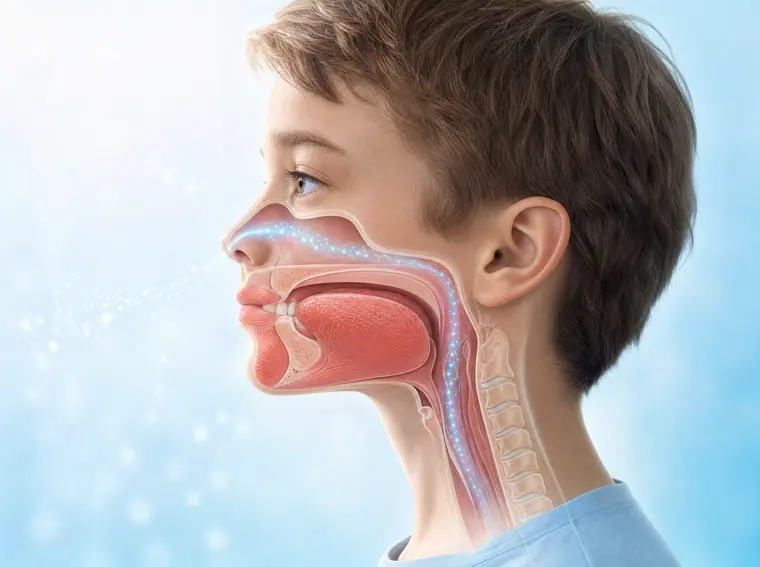
Myofunctional Therapy
Exercises and trainers that retrain the tongue, lips, and breathing muscles to support nasal breathing, healthy swallowing, and lasting results.
Learn more →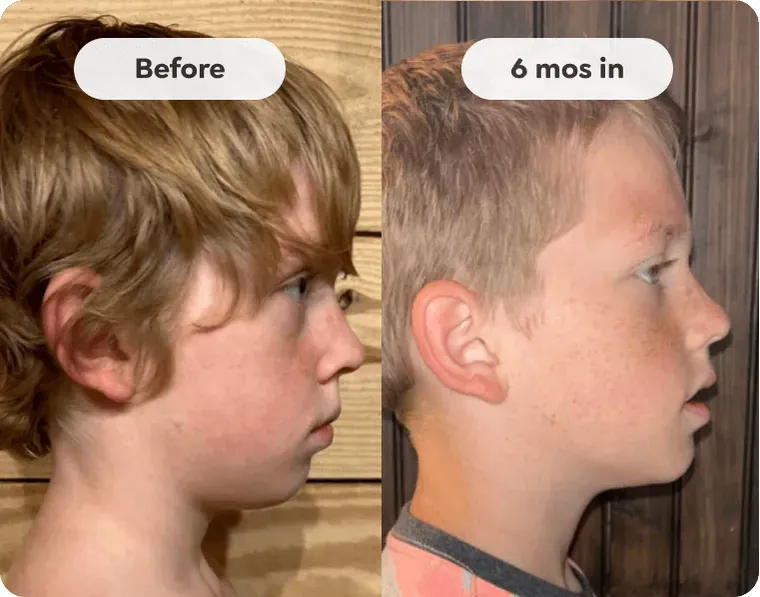
Kids Airway Dentistry
Snoring, mouth breathing, or restless sleep? We look at how your child's jaws and airway are growing, starting as young as age three.
Learn more →
The Toothpillow Appliance
A soft, removable nighttime appliance designed to guide healthy jaw growth and nasal breathing, starting as young as age three.
Learn more →Schedule your airway consultation
Book online or call. Consultations for kids, teens, and adults at our Draper office.
14203 Minuteman Drive #101
Draper, UT 84020
Just off I-15, minutes from IKEA
Monday to Friday, 9 AM to 5 PM
"Great place! They are doing it differently. Well done!"
Request Your Airway Consultation
Tell us a little about what's going on. Our team will call you to find a time that works. No pressure, just answers.